
Counseling vs Therapy: Making the Right Choice for Your Mental Health
Are you surprised that 1 in 5 adults seek mental health support annually? 75% of people don't understand the difference between counseling and therapy. Studies show 68% of people use "counseling" and "therapy" interchangeably without knowing differences. Research indicates proper mental health matching improves outcomes by 60%. Over 50 million Americans seek counseling or therapy services each year. Making the right choice saves time, money, and speeds up your healing process.
Do you need help with emotional problems, but don't know where to start? Do you worry that picking the wrong service will waste your time and money? Many people struggle to understand which mental health service fits their needs best. Most assume counseling and therapy are exactly the same thing. This confusion leads to delayed treatment and slower progress toward feeling better. Wrong choices can cost hundreds of dollars before finding the right help. People often give up after trying the wrong type of support.
Knowing the difference helps you get help faster. Counseling tackles specific life problems quickly. Things like job stress or relationship issues. Therapy goes deeper into mental health. It addresses depression, anxiety, and trauma. This takes more time to heal. Getting the right help brings faster results. It also builds better long-term wellness. This guide explains counseling versus therapy clearly. You'll learn what each one offers. And discover which fits your needs best.
What is Counseling
Counseling helps people deal with specific life problems. It focuses on current issues. Counselors give guidance and support for challenges.
Definition of Counseling
Counseling is a helping process for life problems. Counselors talk with clients about current issues. They help people find solutions to problems. The focus stays on the present situation mostly. Sessions teach coping skills. Counseling usually lasts a few weeks or months. Most people see counselors for specific goals. You meet with a trained professional who listens.
When to Choose Counseling
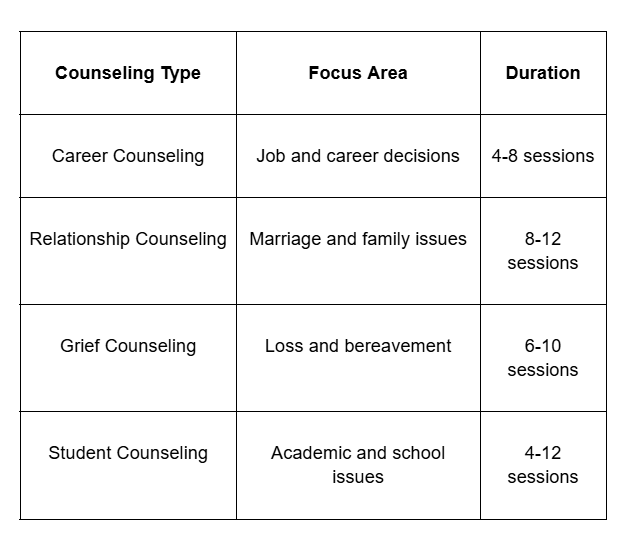
Pick counseling for specific life problems now. Relationship issues get better with counseling sessions. Career changes and job stress need counseling help. Grief after losing someone you love helps too. School problems respond well to counseling support. Family fights improve with counseling sessions. Short-term stress and worry get better fast. Life changes like divorce or moving help.
Types of Counseling Services
What is Therapy
Therapy treats mental health conditions. It addresses deeper emotional issues. Therapists help with long-term mental health problems.
Definition of Therapy
Therapy is treatment for mental health conditions. Therapists diagnose and treat psychological problems. They also work on deep emotional issues. The focus includes past experiences and trauma. Sessions explore thoughts, feelings, and behaviors deeply. You work with a trained mental health professional.
When to Choose Therapy
Pick therapy for diagnosed mental health conditions. Depression needs professional therapy treatment. Anxiety disorders respond well to therapy sessions. PTSD and trauma need specialized therapy help. Substance abuse problems need therapy support, too. Self-harm and suicidal thoughts require therapy now.
Common Types of Therapy
CBT changes the negative thought patterns you have. DBT helps with emotion regulation skills daily. Psychodynamic therapy explores past experiences. Humanistic therapy focuses on personal growth. Family therapy treats relationship dynamics. Group therapy provides peer support. Play therapy helps children express feelings safely. Art therapy uses creative expression for healing. Each type uses different methods and tools.
Difference Between Counseling and Therapy
Counseling and therapy have important differences. Understanding these helps you pick the right service. Each approach uses different methods. The training and focus areas vary, too.
Duration and Time Commitment
Counseling typically lasts a few weeks or months. Sessions focus on solving specific problems quickly. Most people attend 6 to 12 counseling sessions. Therapy often continues for months or years. Deep issues take a longer time to fix. Long-term therapy addresses complex mental health issues. The time you need depends on your problems.
Focus and Approach Differences
Counseling focuses on present situations
Therapy explores past experiences deeply
Counseling teaches practical coping skills
Professional Training and Credentials
Counselors usually have master's degrees in counseling. They complete supervised clinical hours for a license. Therapists often have advanced degrees in psychology. Clinical psychologists usually hold doctoral degrees. Marriage and Family Therapists have specialized training, too. Licensed Clinical Social Workers provide therapy services.
Similarities Between Counseling and Therapy
Counseling and therapy share many common features. Both help people improve their mental health. They use similar techniques sometimes.
Common Goals and Objectives
Both aim to improve mental health. They help people cope with stress better. Each service builds self-awareness. Both teach healthy communication skills. They support personal growth and changes. Each helps people develop better coping strategies. Both reduce symptoms of distress. Your well-being improves with either service.
Shared Techniques and Methods
Counselors and therapists both use talk therapy. Active listening is essential in both services. Both professionals ask open-ended questions. They teach stress management techniques. Goal setting happens in both services. Homework assignments help between sessions. Both maintain confidentiality. You talk through your problems in either service.
Professional Standards
Both follow ethical guidelines. Confidentiality protects client privacy in both. Licensed professionals must complete continuing education. Both require supervision during training. Professional liability insurance protects both types. State licensing boards regulate both counselors and therapists.
How to Choose Between Counseling and Therapy
Picking the right service depends on your needs. Think about your problems carefully first. Understanding the difference helps you make better decisions.
Assessing Your Needs
Think about what problems you face now. Are the issues recent or long-term patterns? Do you need help with specific decisions? Are you dealing with a diagnosed mental illness? Consider how severe your symptoms feel. Think about how long problems have existed. Evaluate if you need short-term or long-term help. Your situation guides your choice.
Questions to Ask Yourself
Do I need help with a specific problem?
Am I dealing with past trauma?
Do I have a diagnosed mental health condition?
Consulting with Professionals
Call providers to discuss your needs first. Explain your problems and what help you need. Ask about their training and experience. Inquire about their treatment approach. Discuss session length and total treatment time. Ask about fees and insurance coverage. Many professionals offer free initial talks. Meet with a few before you decide.
Cost and Insurance Coverage
Mental health services cost money, but help is available. Understanding costs helps you plan. Insurance often covers counseling and therapy.
Average Costs for Services
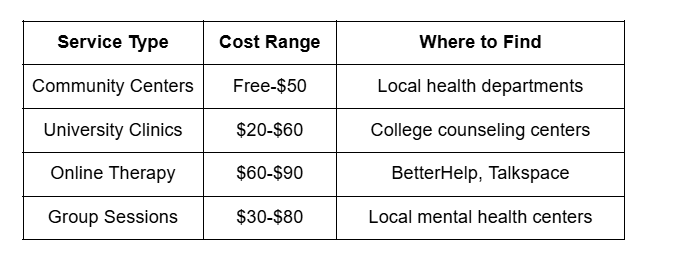
Counseling sessions typically cost 50 to 150 dollars. Therapy sessions range from 100 to 200. Psychiatrist visits cost more due to medical training. Group sessions cost less than individual ones. Sliding scale fees are available at some places. Community centers offer reduced rates. Online therapy often costs less than in-person therapy.
Insurance Coverage Options
Most health insurance covers mental health services. PPO plans usually offer more provider choices. HMO plans require referrals to specialists sometimes. Medicare covers therapy and counseling for seniors. Check your medicare insurance benefits before starting treatment. Ask about copays and deductible amounts first.
Finding Affordable Help
Conclusion
Counseling and therapy both help with mental health needs. Counseling focuses on current problems. Therapy treats deeper mental health conditions. Both services use similar techniques sometimes. Picking depends on your specific needs. Professional help improves mental health and life quality. Getting support shows strength and self-care.