
How to Help Someone with Substance Use Disorder Before It’s Too Late?
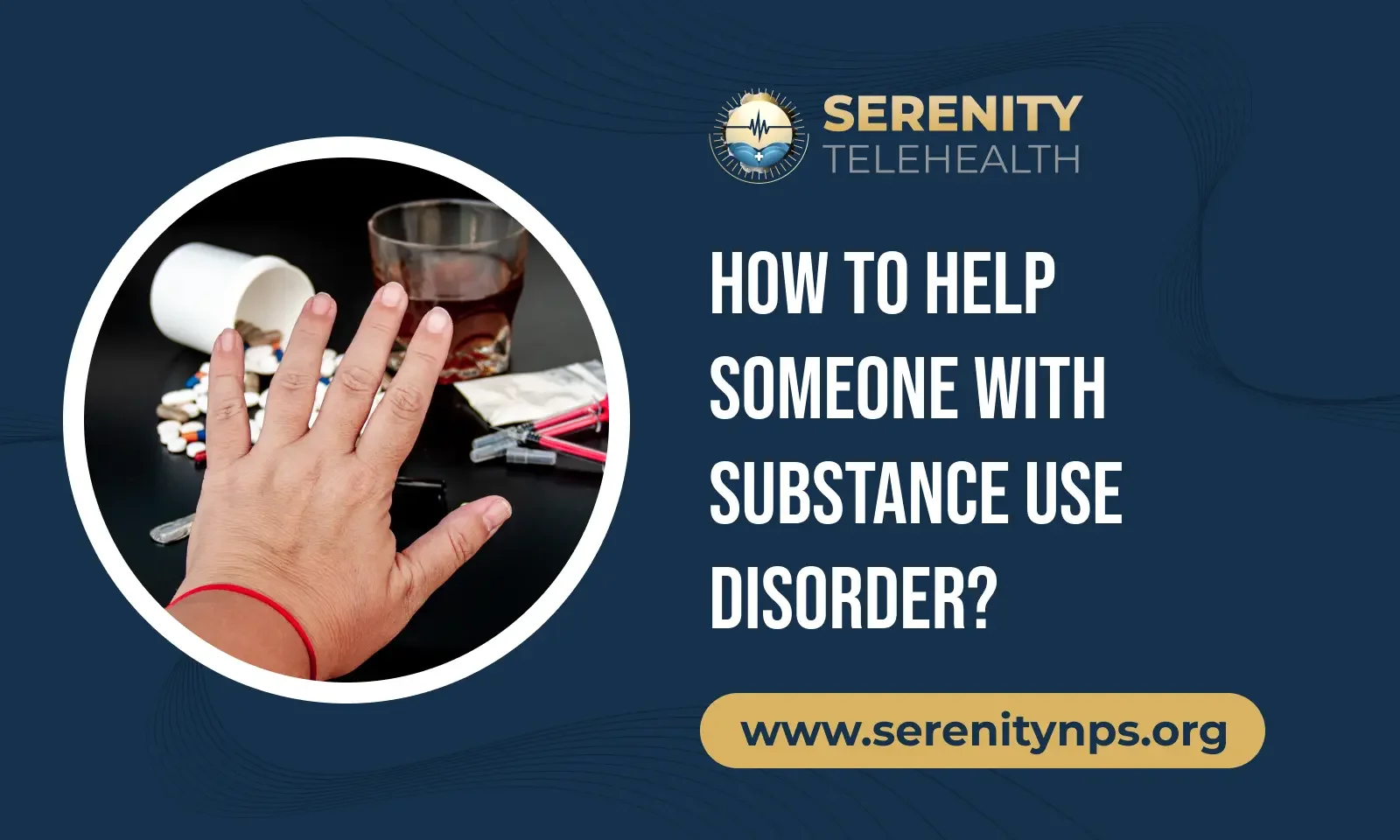
Watching someone you love struggle with substance use can feel overwhelming and heartbreaking. You may notice changes in their behavior, health, or personality, yet feel unsure about what to say or do. If you’re searching for how to help someone with substance use disorder, it likely means you care deeply and want to take the right steps.
Substance use disorder (SUD) is not a lack of willpower or a moral failing. The National Institute on Drug Abuse explains that addiction is a chronic but treatable medical condition that affects brain function and decision-making. That means real recovery is possible, especially with early intervention and proper support.
Families and loved ones often play a powerful role in encouraging treatment and long-term recovery. Knowing how to recognize the warning signs, communicate effectively, and avoid common mistakes can make the difference between continued struggle and meaningful change.
Recognizing the Signs Your Loved One Needs Help
One of the most important steps in learning how to help someone with substance use disorder is recognizing when substance use has crossed the line into a serious problem.
Many people minimize or hide their behavior, which can make it difficult to know when intervention is necessary. However, certain patterns and warning signs often indicate that professional help may be needed.
1. Behavioral Signs
Behavioral changes are often the first red flags families notice. These may include:
Increased secrecy or lying
Sudden financial problems or missing money
Neglecting work, school, or family responsibilities
Risk-taking behaviors such as driving under the influence
Withdrawing from family and longtime friends
If substance use is beginning to interfere with daily life, relationships, or responsibilities, it may signal a deeper issue.
2. Physical Signs
Physical symptoms can vary depending on the substance used, but common warning signs include:
Bloodshot or glazed eyes
Sudden weight loss or gain
Slurred speech
Changes in sleep patterns
Poor hygiene or decline in appearance
Repeated physical changes combined with behavioral shifts should not be ignored.
3. Emotional & Psychological Signs
Substance use disorder often affects mental health as well. You may notice:
Mood swings or irritability
Increased anxiety or depression
Defensiveness when asked about substance use
Lack of motivation
Emotional instability
Recognizing these signs early increases the likelihood that treatment will be effective. The sooner help is offered, the better the potential outcome.
What Not to Do?
When trying to help someone with a substance use disorder, good intentions can sometimes lead to unhelpful actions. Fear, frustration, and love can all influence your behavior, but certain responses may unintentionally worsen the situation.
Don’t Enable the Behavior
Enabling happens when you protect your loved one from the natural consequences of their actions. This might look like:
Giving them money that may fund substance use
Making excuses for missed work or school
Paying legal fees repeatedly
Covering up destructive behavior
While it may feel compassionate in the moment, enabling can delay accountability and reduce the urgency to seek treatment.
Don’t Shame or Blame
Addiction is not a moral weakness. The American Society of Addiction Medicine defines addiction as a chronic brain disease. Shaming language such as “Why can’t you just stop?” or “You’re ruining everything” often increases guilt and defensiveness — which can push someone further into substance use.
Instead of blame, aim for concern and clarity.
Don’t Ignore the Problem
Hoping the issue will resolve on its own is rarely effective. Substance use disorder tends to worsen over time without intervention. Avoiding difficult conversations may feel easier in the short term, but early action significantly improves recovery outcomes.
How to Talk to Someone About Their Substance Use?
Starting the conversation is often the hardest part. You may fear anger, denial, or conflict. However, approaching the discussion thoughtfully can increase the likelihood of a productive outcome.
Choose the Right Time and Setting
Timing matters. Speak with your loved one:
When they are sober
In a private, calm environment
Without distractions
When emotions are not already running high
Avoid confronting them during or immediately after substance use.
Use “I” Statements
Using “I” statements reduces defensiveness and keeps the focus on concern rather than accusation.
For example:
“I’ve noticed you seem really stressed and withdrawn lately.”
“I’m worried about your health and safety.”
“I care about you and want to help.”
This approach communicates love and concern instead of blame.
Listen More Than You Speak
Effective communication involves active listening. Allow them to express their feelings without interruption. Even if they deny the issue, listening calmly can preserve trust and keep the door open for future conversations.
Offer Solutions, Not Just Criticism
Before initiating the conversation, research available treatment options so you can provide clear next steps. Instead of simply saying, “You need help,” try:
“I found some treatment programs that could really support you. I’m willing to help you make the call.”
Presenting a path forward makes seeking help feel more achievable.
When to Consider an Intervention
If repeated conversations fail and your loved one continues to deny the problem, a more structured approach may be necessary.
An intervention can be effective when:
Substance use is causing serious health or legal problems
There have been multiple relapses
Dangerous behaviors are escalating
The individual refuses to acknowledge the severity of the issue
Professional vs. Family-Led Interventions
A professional interventionist can guide the process, helping family members prepare statements, set boundaries, and maintain structure. This approach often reduces emotional escalation and increases the likelihood that the person will accept treatment.
Family-led interventions can also work, but preparation is critical. Each participant should express concern clearly and outline specific consequences if treatment is refused.
What to Expect During an Intervention
A structured intervention typically includes:
Prepared personal statements
Clear treatment recommendations
Immediate admission plans
Firm but compassionate boundaries
The goal is not to punish or shame, but to break through denial and motivate change.
Treatment Options Available
When someone agrees to seek help, knowing the right treatment path can feel overwhelming. Substance use disorder affects each person differently, which means treatment should be personalized, structured, and evidence-based. The most effective programs address both the physical and psychological aspects of addiction.
If your loved one is ready to take the next step, professional substance use disorder treatment can provide the medical care, therapy, and long-term support necessary for lasting recovery.
Detoxification (Detox)
For many individuals, recovery begins with detox.
Detox allows the body to safely eliminate substances under medical supervision. Withdrawal symptoms can range from uncomfortable to dangerous, depending on the substance involved. Medical detox ensures:
24/7 monitoring
Symptom management
Reduced risk of complications
A safer transition into ongoing treatment
Detox alone is not treatment; it is the first step toward recovery.
Inpatient / Residential Treatment
Inpatient treatment provides a structured, substance-free environment where individuals can focus entirely on healing. This level of care is often recommended for:
Severe or long-term substance use
Co-occurring mental health conditions
High relapse risk
Unsafe home environments
Residential programs typically include therapy, medical supervision, group counseling, and relapse prevention planning.
Outpatient Treatment Programs
Outpatient programs offer flexibility for individuals who cannot step away from work, school, or family obligations. These programs vary in intensity, from several hours per week to structured daily sessions.
Outpatient care may be appropriate for:
Mild to moderate substance use disorders
Individuals transitioning from inpatient care
Those with strong support systems at home
Therapy & Counseling
Behavioral therapy is a core component of effective addiction treatment. Therapy helps individuals understand the root causes of substance use and develop healthier coping strategies.
Common approaches include:
Individual therapy
Group therapy
Family therapy
Cognitive Behavioral Therapy (CBT)
Trauma-informed therapy
The Substance Abuse and Mental Health Services Administration emphasizes that combining therapy with medical care significantly improves recovery outcomes.
Medication-Assisted Treatment (MAT)
Medication-Assisted Treatment (MAT) is often used for opioid and alcohol use disorders. When clinically appropriate, medications can:
Reduce cravings
Ease withdrawal symptoms
Lower relapse risk
MAT is most effective when combined with counseling and behavioral therapies.
Seeking comprehensive, professional care greatly increases the chances of long-term recovery. Early intervention and structured support can prevent further physical, emotional, and relational damage.
Supporting Long-Term Recovery?
Recovery does not end after detox or a treatment program. Substance use disorder is a chronic condition, meaning ongoing support is essential for maintaining progress and preventing relapse.
Families play a powerful role in sustaining recovery.
Encourage Ongoing Therapy
Continued counseling or outpatient support helps individuals manage triggers, stress, and emotional challenges. Consistency in care reduces relapse risk and strengthens coping skills.
Encourage your loved one to remain engaged in therapy even after major improvements occur.
Support Healthy Lifestyle Changes
Small lifestyle changes can make a significant difference in recovery. Encourage:
Structured daily routines
Regular exercise
Balanced nutrition
Healthy sleep habits
Positive social connections
A stable environment supports emotional balance and resilience.
Set Healthy Boundaries
Supporting recovery does not mean sacrificing your own well-being. Clear, healthy boundaries protect both you and your loved one. Boundaries may include:
Refusing to provide money for substances
Not covering up harmful behavior
Requiring continued participation in treatment
Boundaries create accountability while maintaining compassion.
Consider Family Counseling
Addiction affects the entire family system. Family counseling can:
Repair trust
Improve communication
Address resentment or trauma
Strengthen support networks
Healing together often improves long-term recovery outcomes.
Get Professional Help Today
Helping someone with a substance use disorder requires patience, courage, and the right support system. While love and encouragement matter, professional treatment dramatically increases the likelihood of lasting recovery.
If your loved one needs professional substance use disorder treatment, contact us today. Our compassionate team provides evidence-based care designed to support lasting recovery. Don’t wait until the situation worsens; early intervention can make all the difference.
Call us now or request a confidential consultation to learn how we can help.