
Sleep Disorders in Children: What Parents in NY & New Mexico Should Know

Does your child struggle to fall asleep at night? Do they wake up frequently during sleep hours? Sleep disorders affect 25-40% of children in the United States. In New York, about 1.2 million children have sleep problems each year. New Mexico reports that 30% of children under 12 have sleep issues. Poor sleep affects school, behavior, and physical health. Parents in both states face unique challenges with altitude and urban factors.
Sleep disorders in children include insomnia, sleep apnea, and restless leg syndrome. These conditions disrupt normal sleep patterns and cause daytime problems for kids. Children need 9-12 hours of sleep per night for healthy development. Studies show 50% of children with ADHD also have sleep disorders. New York's fast-paced lifestyle contributes to irregular sleep schedules. New Mexico's high altitude affects oxygen levels during sleep.
This guide helps parents recognize common sleep disorders in children. We explain symptoms, causes, and when to seek medical help. You will learn about treatment options available in NY and NM. Understanding sleep problems helps you support your child's health better. Simple changes at home can improve sleep quality for many kids. Professional help is available when home remedies are not enough.
Common Sleep Disorders in Children
Children get several types of sleep disorders. Each disorder has different symptoms and causes. Understanding these helps parents identify problems early.
Insomnia in Children
Insomnia makes it hard for kids to fall asleep. They may also wake up often during the night. Stress and poor sleep habits cause insomnia. Screen time before bed makes sleep problems worse. Children with insomnia feel tired during daytime. They may have trouble at school daily.
Sleep Apnea
Sleep apnea causes breathing pauses during sleep. Children with sleep apnea snore loudly every night. They may gasp or choke during sleep. Enlarged tonsils often cause sleep apnea in kids. Being overweight increases the risk a lot. Untreated sleep apnea affects growth and heart health.
Restless Leg Syndrome
Restless leg syndrome causes bad sensations in the legs. Children feel an urge to move their legs all the time. Symptoms get worse at night before bedtime. Low iron may cause this condition. Family history increases the risk of restless leg syndrome. This disorder makes falling asleep very hard.
Symptoms Parents Should Watch For
Recognizing sleep disorder symptoms helps with early detection. Many symptoms appear during the day and night. Watch your child carefully for these signs.
Nighttime Warning Signs
Hard time falling asleep after 30 minutes in bed
Waking up more than twice every night
Loud snoring or gasping sounds during sleep
Daytime Behavioral Changes
Children with sleep problems act tired all day. They may be irritable, moody, or easily upset. School performance drops, and grades go down. Hyperactivity increases in some children with poor sleep. A hard time focusing affects homework and classroom work. Morning headaches often occur with certain sleep disorders.
Physical Health Indicators
Poor growth patterns may show sleep problems. Dark circles under the eyes show chronic sleep issues. Mouth breathing during the day suggests airway problems. Too much daytime sleepiness affects normal childhood activities. Getting sick often happens due to a weak immune system. Weight gain or loss may occur with disorders.
Causes Specific to NY and New Mexico
Geographic and environmental factors affect children's sleep. New York and New Mexico have unique challenges. Understanding these helps parents address problems better.
New York Environmental Factors
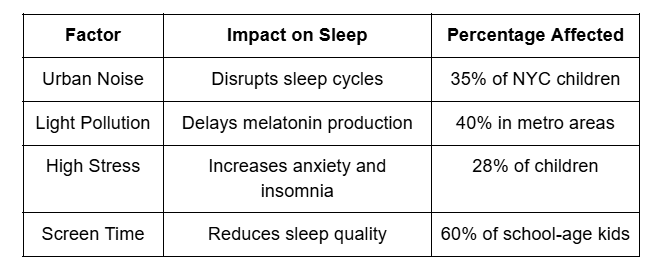
New Mexico Altitude Effects
High altitude affects oxygen levels during sleep. Children in Santa Fe and Albuquerque get this. Altitude can make sleep apnea symptoms worse. Dry climate causes nose congestion, affecting breathing. Lower humidity increases snoring in some children. Getting used to it takes time for families moving to NM.
Cultural and Lifestyle Factors
Late dinner times in both states affect sleep. Cultural celebrations may disrupt regular sleep schedules. Year-round outdoor activities keep children active late. Different time zones affect traveling families. Work schedules vary greatly, affecting family bedtime routines.
When to See a Doctor
Knowing when to seek help is crucial. Some sleep problems need medical check right away. Early treatment prevents long-term health problems.
Red Flag Symptoms
Breathing pauses lasting more than 10 seconds occur. The child stops breathing during sleep multiple times. Too much daytime sleepiness interferes with normal activities. Growth delays or failure to thrive appear. Behavioral problems get worse despite good parenting. Academic performance drops suddenly without a clear cause.
Finding Sleep Specialists in NY
New York has many pediatric sleep centers. Weill Cornell Sleep Disorders Center treats children. NYU Langone Health offers comprehensive sleep studies. Mount Sinai Hospital has pediatric sleep specialists. Columbia University Medical Center provides expert sleep care. Insurance coverage varies by provider and plan.
Finding Sleep Specialists in New Mexico
The University of New Mexico Hospital has a sleep disorder clinic. Presbyterian Medical Group offers pediatric sleep services. Lovelace Medical Center provides sleep studies for children. Mountain View Regional Medical Center treats sleep disorders. Telemedicine options available for rural family locations. Travel time to specialists may be long.
Home Remedies and Sleep Hygiene
Many sleep problems improve with simple home changes. Good sleep hygiene helps most children a lot. Try these strategies before seeking medical treatment.
Creating a Better Sleep Environment
Keep the bedroom dark, quiet, and cool always. Remove TVs, tablets, and phones from the bedroom. Use blackout curtains to block outside light. White noise machines help mask environmental sounds. Comfortable mattresses and pillows support better sleep. Room temperature between 65 and 70 degrees works best.
Establishing Bedtime Routines
Set consistent bedtime and wake time daily
Create a calming pre-sleep routine lasting 30-60 minutes
Avoid screens 1-2 hours before bedtime
Lifestyle Modifications
Regular exercise during the day improves sleep quality. Outdoor play helps regulate natural sleep cycles. Limit daytime naps for older children. Make sure kids get sunlight during morning. Reduce stress through family time and talk. Address worries before bedtime routines.
Treatment Options Available
Professional treatments help when home remedies fail. Several effective options exist for sleep disorders. Treatment depends on the specific diagnosis and how bad it is.
Medical Treatments
Sleep studies diagnose specific disorders accurately overnight. CPAP machines treat sleep apnea in children. Medication may help some sleep disorders for a while. Surgery removes enlarged tonsils, causing apnea. Iron supplements treat restless leg syndrome. Dental devices help with mild sleep apnea.
Behavioral Therapy
Cognitive behavioral therapy treats insomnia long-term. Sleep restriction therapy retrains sleep patterns slowly. Relaxation techniques reduce bedtime anxiety daily. Biofeedback helps children control their body responses better. Parent training improves management of sleep problems. Family therapy addresses underlying stress issues.
Complementary Approaches
Melatonin supplements help regulate sleep cycles. Weighted blankets reduce anxiety for some children. Aromatherapy with lavender promotes relaxation at bedtime. Massage therapy helps children relax before sleep. Acupuncture shows promise for certain sleep disorders. Always ask a doctor before trying supplements or alternatives.
Conclusion
Sleep disorders affect many children in NY and New Mexico. Recognizing symptoms early helps parents seek treatment faster. Environmental factors unique to each state influence sleep quality. Home remedies and good sleep hygiene solve many problems. Professional help is available when needed in both states. Early help improves a child's health, behavior, and school performance.
FAQs
How much sleep do children need? Children ages 3-5 need 10-13 hours of sleep each night. Kids ages 6-12 need 9-12 hours nightly. Teens ages 13-18 need 8-10 hours for healthy development. Individual needs may vary slightly based on activity level.
Can altitude cause sleep problems? Yes, high altitude affects oxygen levels during sleep significantly. Children living above 5,000 feet may experience sleep disruptions. The body needs time to adjust to lower oxygen levels.
Are sleep disorders genetic? Some sleep disorders, like sleep apnea, have genetic components. Family history increases the risk of developing certain sleep problems. Children with parents who have sleep disorders are at higher risk.
Can diet affect a child's sleep? Yes, diet significantly impacts sleep quality in children daily. Caffeine and sugar close to bedtime disrupt sleep patterns. Heavy meals before bed can cause discomfort and poor sleep.
Do sleep problems go away on their own? Some mild sleep problems resolve naturally as children grow older. However, many disorders require intervention for complete resolution. Untreated sleep problems can worsen over time and affect development.